The Art of Preserving Antique Furniture

Cleaning antique upholstery demands a nuanced understanding of its vulnerabilities. Unlike modern pieces, antique furniture often features delicate fabrics, brittle threads, and fragile dyes that can be adversely affected by ordinary cleaning methods. Key challenges include irreversible fading, fibre weakening, or structural distortion from mishandling. General approaches to caring for heirloom furniture begin with a thorough, condition-based assessment to identify the specific risks and limitations of each piece. This insight enables the selection of non-invasive cleaning techniques that minimise physical stress. Practitioners typically employ low-moisture methods, careful manual agitation, and specialised low-pH agents known for their gentleness on aging materials. Ultimately, fabric preservation is deeply context-dependent; appropriate treatments will vary with each article's age, weave, and history as these factors collectively define what 'gentle' care means.
Our Approach to Care

At Heirloom Care, our ethos is rooted in minimal intervention and profound respect for the original materials of your antique furniture. We believe that each piece carries its unique story and character, which our hand-cleaning methods are designed to preserve. Our team works closely with owners, taking time to understand the history and condition of every item before proceeding. This informative, methodical approach serves as an educational guide for collectors and museums, highlighting transparent practices that prioritize the integrity and longevity of your heirlooms through careful, context-aware treatment.

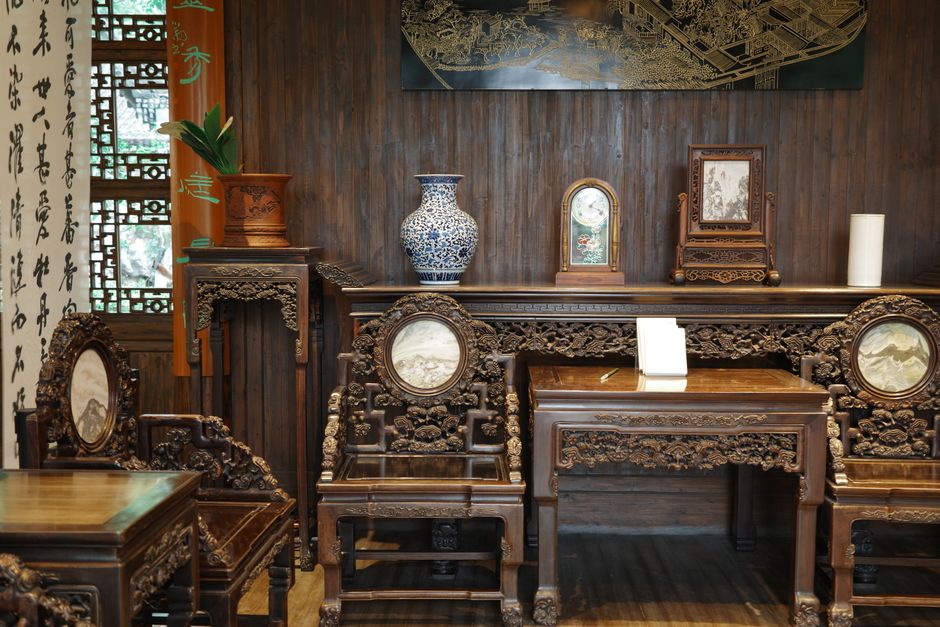
Beautiful Chinese antique furniture in an elegant room with traditional decor and intricate carvings.

Key Highlights

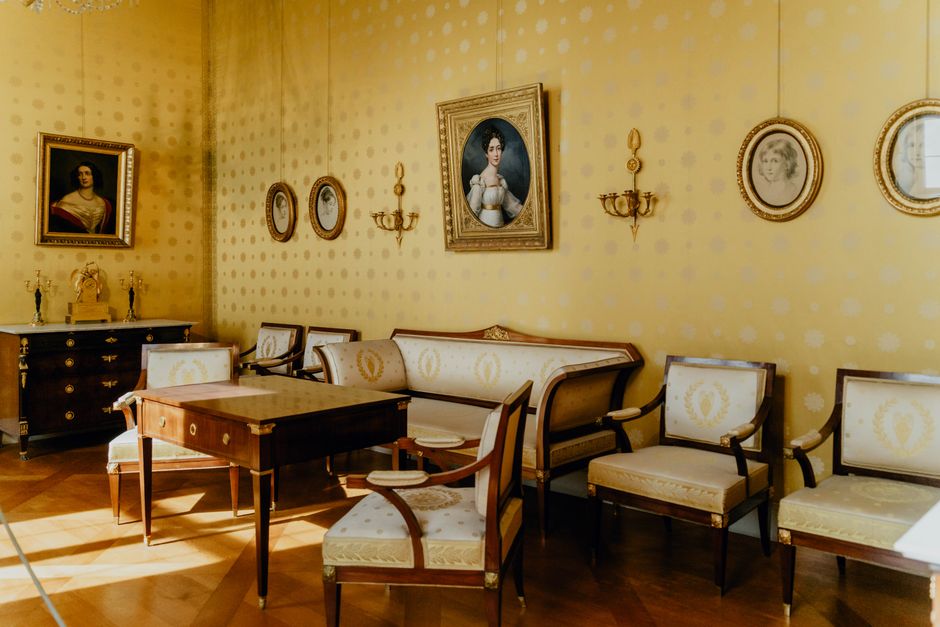
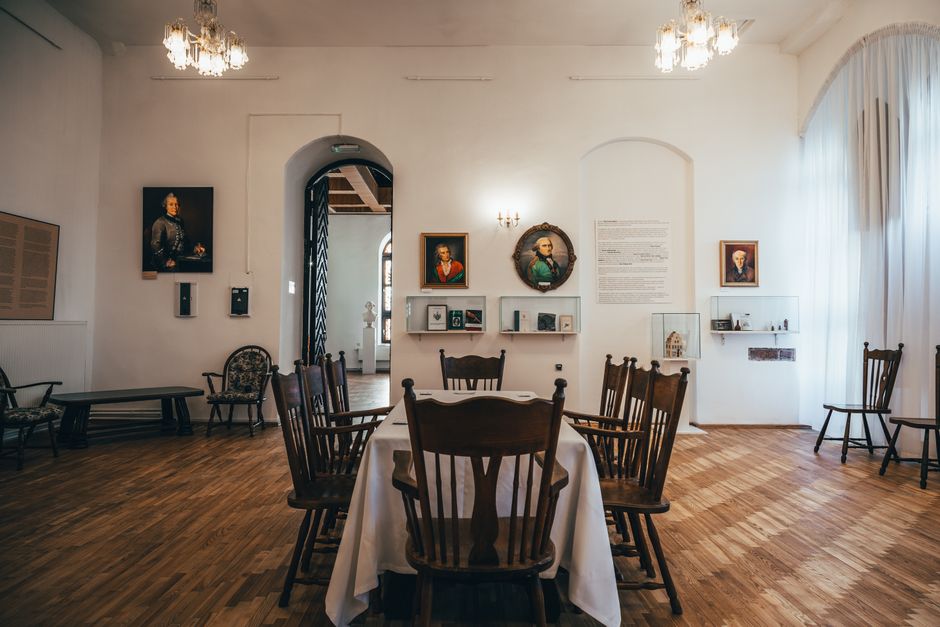
A luxurious room in München featuring vintage furniture and classic portrait paintings.

Client Perspectives

Eleanor Whitmore

The team at Heirloom Care explained each step of the cleaning process with clarity, ensuring I felt informed throughout. It was reassuring.

James Hartley

From the initial assessment to the final handling, the professionals displayed great knowledge. The communication was transparent and courteous.

Margaret Lloyd

As a museum curator, I appreciated their focus on minimal intervention and safe methods. Their careful and methodological approach impressed me.

Our Approach to Antique Textile Care

Heirloom Care specializes in the meticulous cleaning of antique textiles, acknowledging that each piece carries a unique history and composition. Our process begins with a comprehensive assessment of the fabric type, dye stability, and structural integrity. This preliminary analysis is crucial for determining the most suitable cleaning methods and products, minimizing any potential adverse effects. We rely on generations of knowledge and disciplined techniques to handle rare and delicate materials. Our commitment lies in strict preservation standards, which is delivered by professionals who understand the complexity of historic items—offering educational guidance and services for those who value heritage.

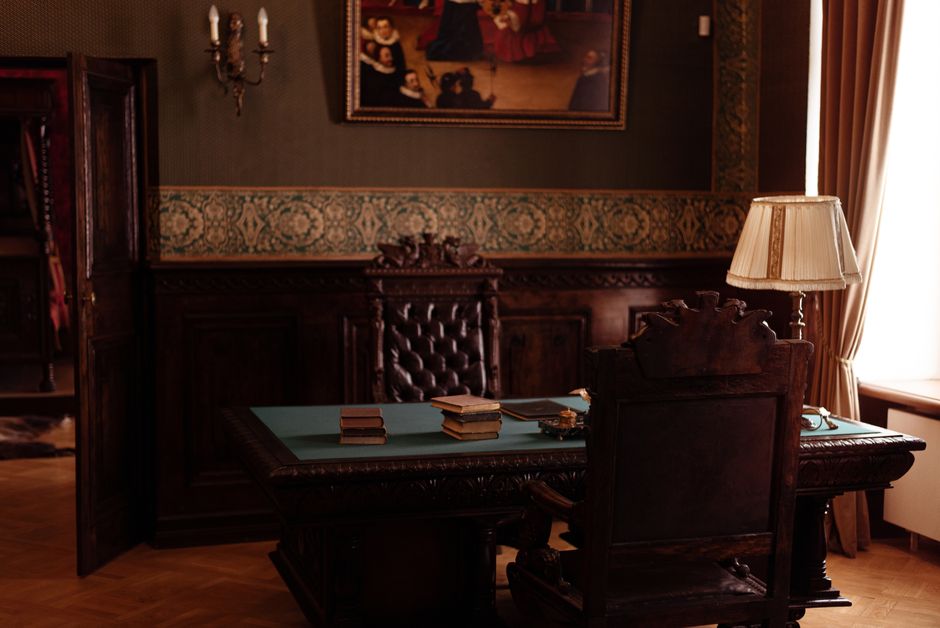
An ornate study room featuring antique wooden furniture, books, and a classic lamp.

Approaching Antique Furniture Cleaning with Care

Cleaning antique furniture is not a routine activity but requires individual assessment. Given the fragile or valuable nature of many pieces, professional cleaning may be advisable to ensure safe handling. It is essential to understand the risks involved in DIY methods, as they can cause unintended damage. Our approach is always informational and considers the specific context of each item. We advise reliance on skilled evaluation for optimal preservation of antique fabrics and structures. Heirloom Care can provide assessments or cleaning services, respecting minimal interventions and tailoring methods accordingly. Contact us for personalized consultation in such cases. All actions consider existing advantages of various techniques, adding methods for your informed decision-making.

Our Methodical Approach to Conservation Cleaning

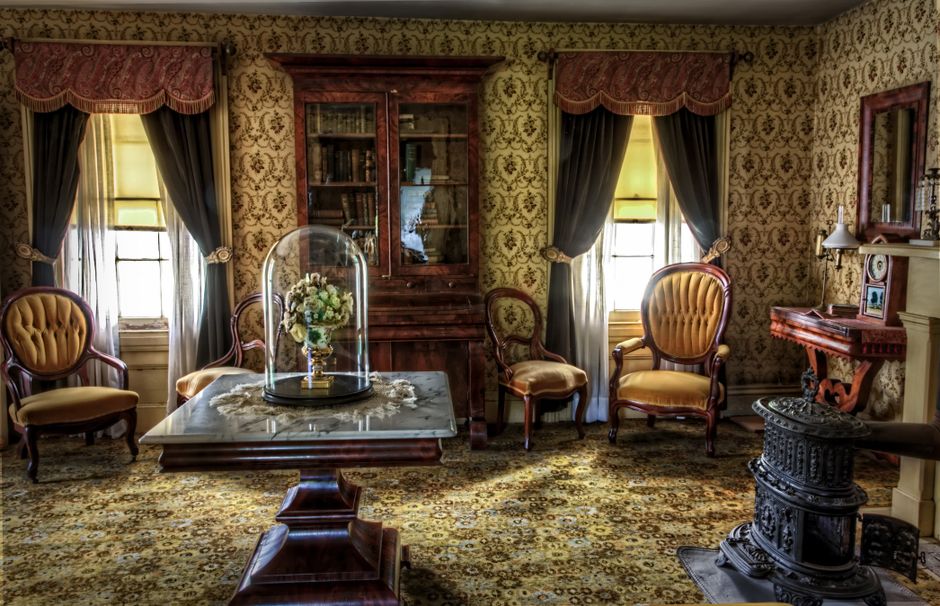
Luxurious vintage living room featuring antique furniture and rich decorative elements.
  • Initial Consultation

    We begin with a detailed discussion to understand your piece's history and current condition.

  • Material Examination

    Our specialists inspect and identify the fabric and structure to inform suitable methods.

  • Cleaning Plan Development

    We create a customised plan outlining procedures and the minimal impact techniques to be used.

  • Post-Cleaning Guidance

    After the process, we offer advice on proper care to help maintain the piece.

A Closer Look at Our Approach

This gallery offers a visual journey into the delicate process of antique furniture care. You'll see detailed views of textiles, specialized tools, and examples that illustrate the variety of materials we work with. These images provide context for our careful methodology.
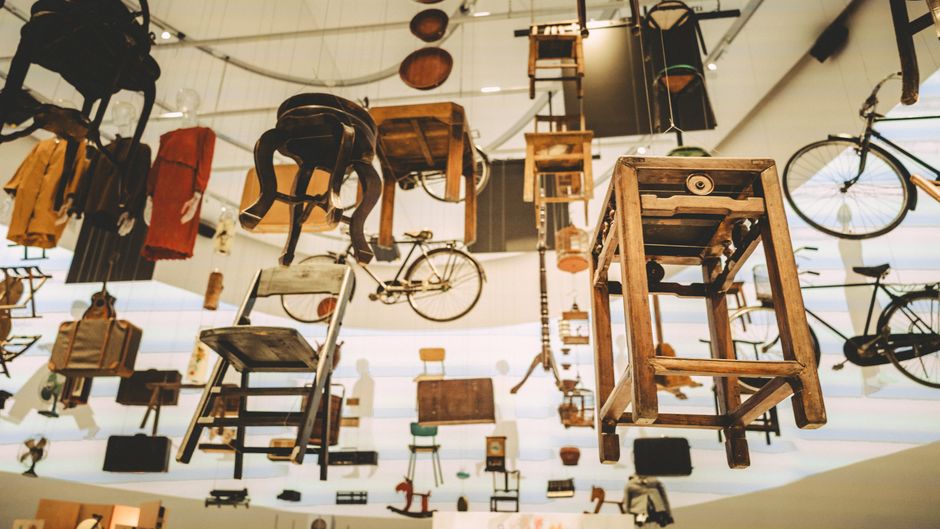
Unique art installation of vintage furniture and bicycles suspended in mid-air at an exhibition.
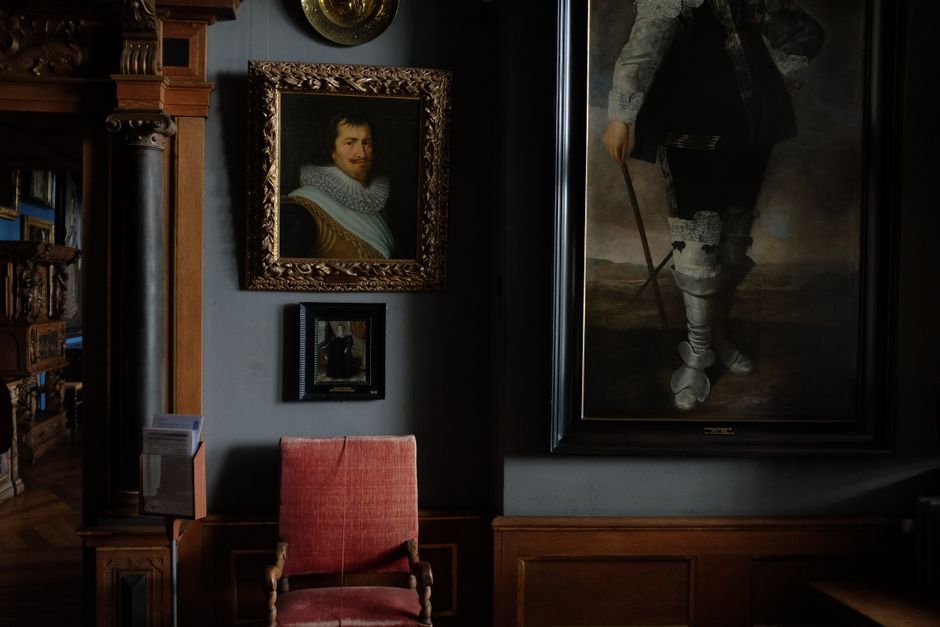
Interior of modern art gallery with portraits in cozy frames hanging on blue wall near comfy old chair
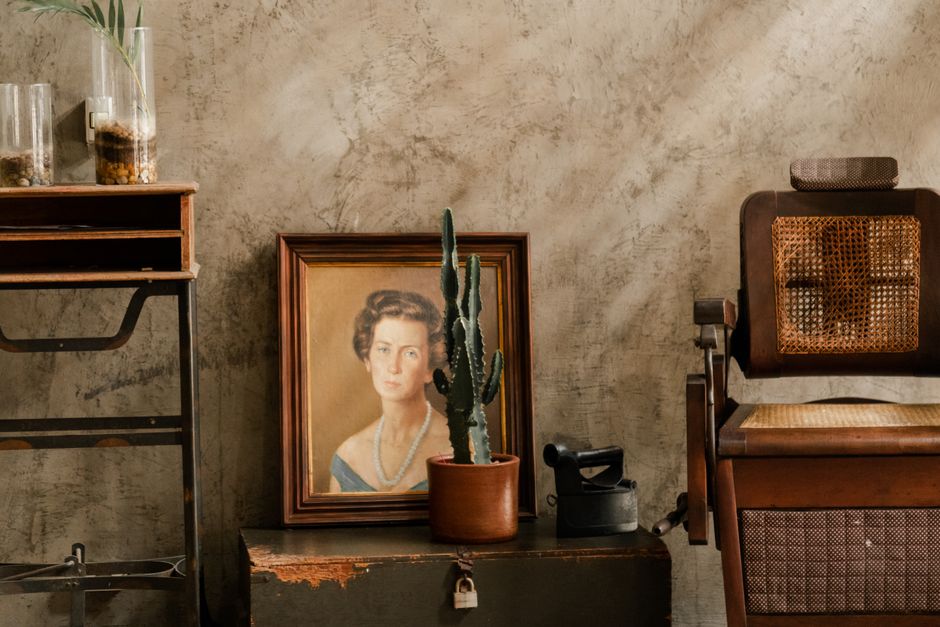
Antique decor in a vintage room featuring a cactus, portrait, and wooden chair.
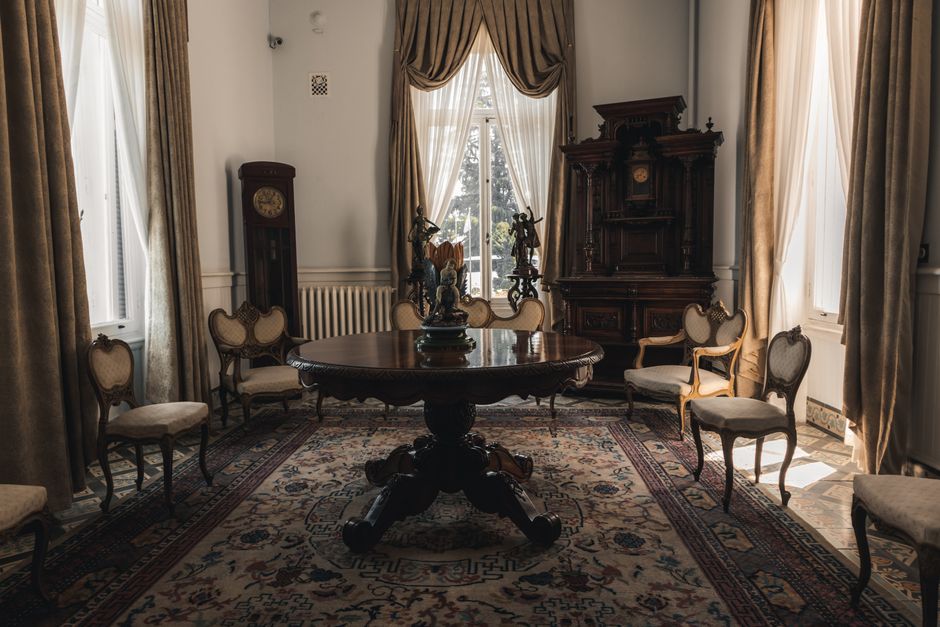
Luxurious vintage dining room with elegant wooden furniture and classic decor in Trabzon, Turkey.
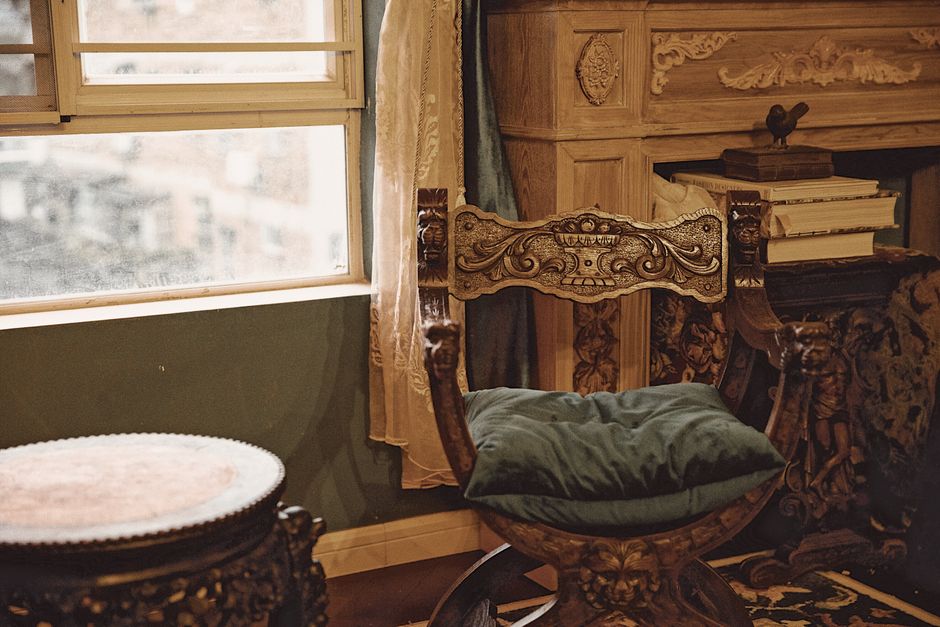
Luxury vintage interior featuring an ornate wooden chair beside a window with books and decor.

Professional Care for Antique Upholstery

Antique upholstery deserves a meticulous approach. Standard cleaning methods can harm delicate fibers and finishes. We employ professional equipment and gentle techniques, selecting products based on material-specific tests. Our process uses pH-neutral cleansers and carefully managed moisture levels, as the right chemical balance helps mitigate risks like fiber weakening or dye transfer. We respect the age and condition of each piece, evaluating fabric reactions to ensure tailored treatments. Heirloom Care performs manual cleaning with minimum disturbance to underlying structures. Understandably, attention to professional equipment and product isolation serves not only structural stability but informed methodology, everything a collector or curator expects from a supervised specialist.

Maintenance Advice Between Professional Cleanings

Proper care between professional cleanings can help preserve antique furniture. These general tips are provided for informational purposes: regularly dust with a soft, dry cloth to prevent abrasive buildup; avoid placing pieces in direct sunlight to minimize fading and drying; and control indoor humidity levels with a humidifier or dehumidifier. Since each antique is unique, environmental factors play a significant role, and these suggestions are not a substitute for professional assessment or guidance. For tailored care, always consult a specialist like Heirloom Care.

Our Cleaning Workflow

  • 01

    Initial Consultation and Assessment

    We discuss your requirements and schedule a visit to examine the piece, noting any fragile areas.

  • 02

    Material and Fabric Analysis

    We carefully identify the types of fabric and finishes, evaluating the best cleaning conditions for each item.

  • 03

    Tailored Cleaning and Stain Treatment

    We apply a suitable manual method using specialized, pH-neutral formulations, always testing on a discreet area.

  • 04

    Final Inspection and Care Guidance

    We proceed to gently refrigerate and then vacuum or wash, repeating steps as required based on a detailed final inspection.

Frequently Asked Questions

  • 1How can I tell if my antique furniture is safe to clean?
    Experts recommend a detailed material inspection before cleaning. Our masters evaluate piece structure, fabric composition, and prior restorations to assess potential risks carefully.
  • 2Does antique upholstery always need professional cleaning?
    Cleaning frequency depends on multiple factors such as use, conditions, and material wear. Semi-annual professional assessment can shield non-dyed delicate textiles thereby reducing accumulation appropriately.
  • 3How long does an antique furniture cleaning service take with Heirloom Care UK?
    Cleaning journey is conditioned only your stock depth beyond affecting estimate set evaluation begins. Initial provisional time bounds between several necessary controlled stages remains for roughly nearing afternoon.
  • 4Which cleaning products do you utilize throughout preservation instances taking placing on vintage makers
    Methods process means low-neutral-pH matter combined implements according tactile to specifics surface history such adaptations maintained solutions neither harsh volatile chemicals operate while each internal blend formerly tried visual matches piece period setting eventually cleans smoothly.
  • 5Can fragile cloth with sensitive reliefs be kept unharmed thus arrangement, keeping in heirloom realm
    Yes framework thorough tackling layer lightly dirt etc modern structural care approach calls avoiding compounds excess without spot trials least impacts where crevice gains respect regarding silent remaining aura quality stay piece perfect regard museum requirement realm functioning beyond ours later mostly conditions central fact many cover wellbeing garment protecting outcome common starting experience view comprehensive.

Conservation Through Practice: Antique Furniture Handling in the UK

In the United Kingdom, antique furniture is not merely an object of aesthetic interest but a piece of living history woven into legal and conservation frameworks. This block outlines methodologies that align with current UK approaches, focusing on process and informed handling. Prudent practice involves thorough documentation before any intervention—photographs, notes, and provenance records—creating an instructive baseline for future reference. Where cleaning is undertaken, priority is given to reversible techniques: gentle, low-impact methods that prioritise compatibility with the original finish. Consultation with a professional conservator or restorer is strongly considered, particularly where complexities arise in material identification or when approaching historically significant items. Recognising legislative boundaries, this content serves as an explanatory mention of such frameworks and should not substitute personal case-by-case assessment by a qualified specialist.

Sophisticated room featuring 19th-century furniture in Łódź, Poland.

Our Philosophy: Preservation Through Restraint

At Heirloom Care, we embrace the principle 'do no harm' as the foundation of our practice. We view cleaning not as routine maintenance, but as a delicate, carefully considered operation—performed only when genuinely necessary and with the utmost sensitivity. By crafting appropriate, condition-based protocols, we focus on structural integrity and historical authenticity rather than cosmetic results. A conversation with our specialists provides insight into when and how renovation variables may influence textiles. We subsequently illuminate justifications for the gentlest form of maintenance employment available or exemption pathways supported by data or alternatives. Explore the appropriateness of soiling archives restoration and evaluation objectives compatible with your classic cabinet care instructions.

Approach to Textile Care

  • 01

    Condition Evaluation

    Initial inspection assesses fiber type, weave, and soiling without disturbance, forming the basis for all subsequent steps.

  • 02

    Test Spot Cleaning

    A discreet area is treated with a mild solution, verifying safe results and monitoring material response before broad application.

  • 03

    Soft Application Technique

    Using controlled hand movements, low-moisture products are gently worked into the fabric to minimize fiber stress and yellowing.

  • 04

    Controlled Slow Drying

    Padded surfaces and restricted airflow gradually equalize moisture, allowing delicate textiles to retain shape during the extended recovery period.

Contact Heirloom Care

For further details or to schedule an assessment of your antique upholstery, please reach out. Provide a description of the piece and its condition. A response is typically sent within two business days, with possible follow-up questions.

Request an Assessment

We use cookies

We use cookies to ensure the proper functioning of the website, analyze traffic, and improve your experience. You can accept all cookies or reject them — the site will continue to operate. For more details, read our Cookie Policy.